

What is a C of O and Why You Can’t Afford to Ignore It
The Nightmare Scenario: A Real Estate Horror Story
If you’re wondering what is a C of O? Then you are in the right place. You’ve saved for five years. You finally find that dream plot of land in a developing area. The seller seems nice, the price is suspiciously good, and they hand you a receipt and a “Deed of Assignment.” You pay the money, sign the papers, and start clearing the bush.
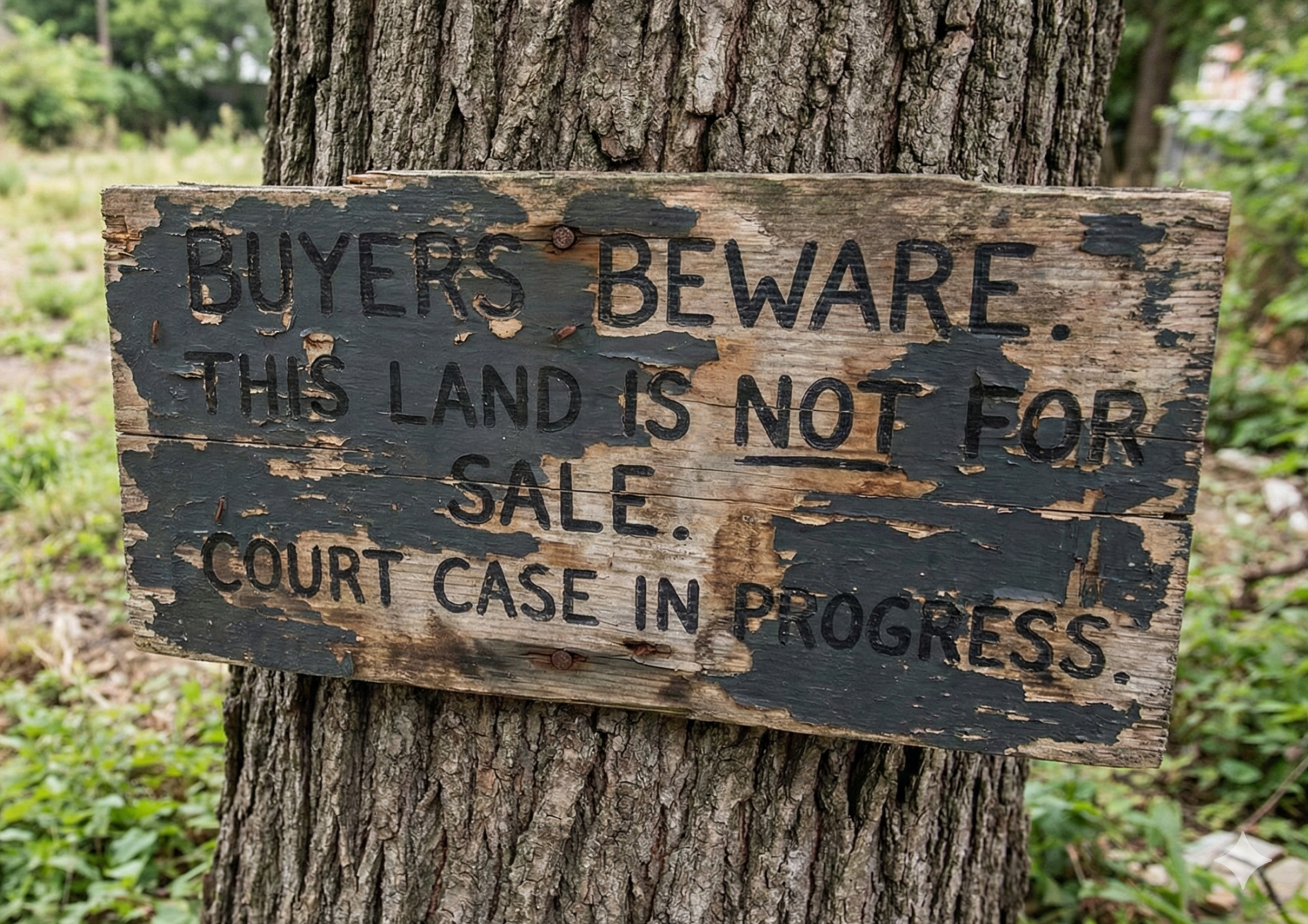
Two years later, as you prepare to lay the foundation, you arrive at your site to find a fence erected around it and a sign that reads: “THIS LAND IS NOT FOR SALE. BEWARE OF LAND GRABBERS.”
This isn’t just a scare tactic; it is a devastating reality for countless unsuspecting buyers who skipped due diligence. The shield against this finan

cial disaster? The Certificate of Occupancy, commonly known as the C of O.
If you are navigating the property market especially in regions where land titles are complex and fraud is common understanding this document is not optional. It is vital to your financial survival.
Emirates Parks and Gardens, A premium land located in the heart of Ogun state
What Exactly is a C of O?
A Certificate of Occupancy (C of O) is a legal, government-issued document that proves the right of ownership to a piece of land for a specific purpose (residential, commercial, or agricultural).
Think of the C of O as the “birth certificate” of the land, with your name listed as the rightful parent.
It is crucial to note that in the context of buying land in many developing nations (like Nigeria), the C of O is the ultimate land title document. It signifies that the state government has officially leased the land directly to you, usually for a period of 99 years. It is the root of your title.
Are you about to make a payment for land but feel unsure about the documents?
Don’t gamble with your life savings. The real estate market is full of pitfalls for the uninformed. Get professional eyes on your transaction before it’s too late.
👉 Chat with Lexshield Properties Advisors on WhatsApp to verify your next investment plans.
Why is the C of O So Important?
Many buyers try to cut corners to avoid the costs associated with properties that have a C of O, relying instead on flimsy family receipts. Here is why

that is a massive financial risk, broken down into three key areas.
1. Ultimate Security: The “Anti-Omonile” Shield
A receipt proves you paid money to someone. A C of O proves to the Government and the courts that you own the land.
In a legal battle, a C of O is generally superior to almost any other document. Without it, you are vulnerable to:
- Land Grabbers: Traditional families claiming the land was never actually sold by the true head of the family.
- Multiple Sellers: The previous owner fraudulently selling the exact same plot to three different people at the same time.
- Government Revocation: If the government needs land for public use (like a road), they are legally required to pay significant compensation to holders of a C of O. If you hold no registered title, you may get absolutely nothing when bulldozers arrive.
2. Explosive Value Appreciation
A property with a C of O is automatically worth significantly more than an identical property near it without one.
Why? Because it’s “clean.” Smart investors, high-net-worth individuals, and corporate organizations will rarely touch property that doesn’t have a C of O due to the

risk. By ensuring your property has one, you open your asset up to the richest pool of future buyers, instantly increasing its resale value.
3. Access to the Bank’s Money (Leverage)
Do you want to ever use your property to get a business loan or a mortgage to build on the land?
- With a C of O: Banks will happily accept your property as valuable collateral. They know their investment is safe because the title is secure.
- Without a C of O: Most financial institutions will reject the application immediately. They cannot risk lending money against a property that might have hidden owners ready to contest it.
Clearing the Confusion: C of O vs. Other Papers
Don’t be fooled by sellers waving other papers around claiming they are “just as good.” They are not.
- The Receipt / Survey Plan (Weakest): Only shows you paid money and mapped the area. Does not prove legal ownership in court.
- Excision / Gazette (Medium): Shows the government has released a large area of land to a community, making it free to buy. This is good, but you still need to process your individual title to be safe.
- Certificate of Occupancy (Strongest): The fresh issuance of title directly from the Government to you.

Conclusion
A Certificate of Occupancy is not just expensive paperwork; it is an insurance policy for perhaps the biggest purchase of your life. While properties with a C of O cost more upfront, the cost of not having one potentially losing your entire investment is far higher.
Before you transfer millions for your next property, you must ask the most important question in real estate: “Does this land have a C of O?”
Final Call to Action
Don’t navigate the real estate minefield alone.
At Lexshield Properties Limited, we specialize in securing safe, verified investments for our clients. We ensure that the land you buy comes with peace of mind, not future lawsuits.
If you are looking to invest safely, or need advisory support on a property you are considering, talk to our experts today.


Leave a Reply